Hespéride markets over a thousand references of outdoor furniture, from aluminum tables to bioclimatic pergolas. Knowing where Hespéride products are made and understanding the design choices behind each range allows for a better evaluation of what one is purchasing. This article details the brand’s value chain, the materials chosen, and the technical trade-offs that explain the pricing strategy of the catalog.
Hespéride Production Chain: Group Structure and Manufacturing Circuit
Hespéride is not an independent manufacturer. The brand belongs to the Groupe JJA, a French company specialized in the design and distribution of home and garden products. The group’s headquarters oversees design, material specifications, and quality control.
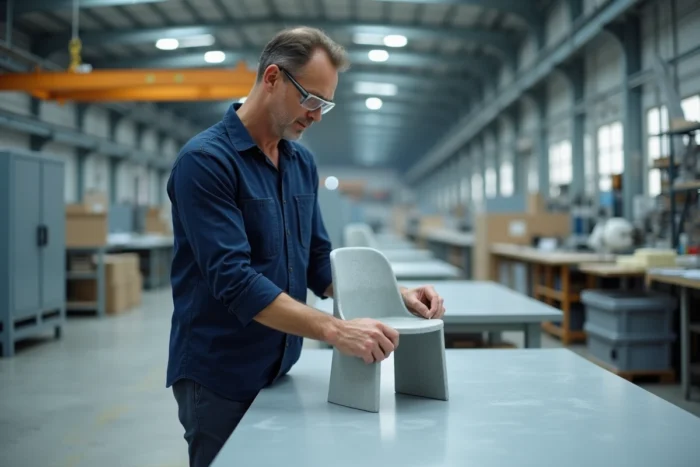
The production itself is outsourced to subcontractors, mainly in Southeast Asia and China, following a model common in mid-range outdoor furniture. The group maintains control over technical specifications (aluminum tube thickness, type of epoxy paint, density of polyester or texaline fabric) and conducts inspections before shipping.
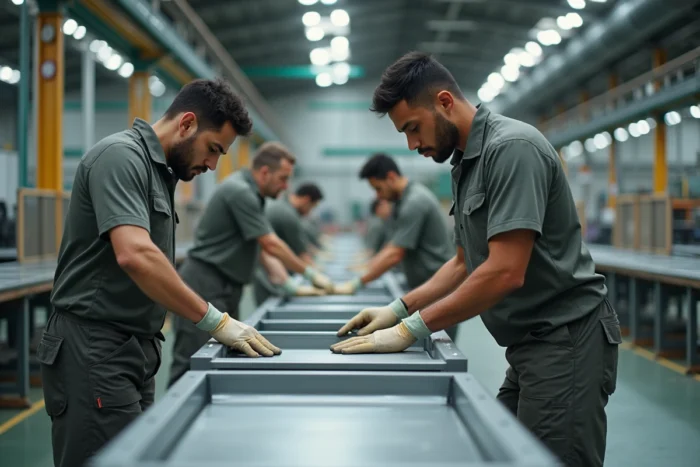
To understand in detail where Hespéride products are made, it is necessary to distinguish between two circuits. Steel or aluminum parts (table structures, stackable chairs, umbrella bases) go through metallurgical workshops that apply an epoxy or powder-coated treatment. Textile elements (canopies for offset umbrellas, texaline seats, polyester cushions) are produced separately and then assembled with the structure before or after import.

Hespéride Furniture Materials: Aluminum, Epoxy Steel, Texaline, and Polyester
The choice of materials determines the durability, weight, and price of a garden furniture piece. The table below summarizes the main materials used by Hespéride and their functional characteristics.
| Material | Common Use | Advantages | Limitations |
|---|---|---|---|
| Aluminum | Table structures, chairs, pergolas | Lightweight, corrosion-resistant, recyclable | Less rigid than steel of equal thickness |
| Epoxy Steel | Umbrella bases, slabs, chairs | Robust, good ground stability | Heavier, susceptible to rust if the epoxy layer is damaged |
| Texaline | Seats and backs of chairs and loungers | Quick-drying, UV resistance, easy maintenance | May stretch over time |
| Polyester | Umbrella canopies, cushions | Partial waterproofing, wide color palette (graphite, sand, terracotta) | Possible fading after several seasons without a cover |
| Woven Resin | Corner lounges, hanging chairs | Natural appearance, flexibility | Variable quality depending on weaving density |
Aluminum remains the dominant material in Hespéride’s mid-range and high-end collections. It largely explains the weight/strength ratio that the brand emphasizes in collections like Essentia or Azua.
Epoxy Treatment and Powder Coating: What Protects the Structure
The surface treatment determines the longevity of a metal piece of furniture exposed to the elements. Applying an epoxy layer to steel creates a barrier against oxidation. On aluminum, powder coating (oven curing after powder application) provides a more uniform finish and increased scratch resistance.
A stackable chair made of graphite powder-coated aluminum withstands rain-sun cycles better than a model that is simply painted. The quality of the surface treatment is as important as the metal itself for the actual lifespan of the product.
Hespéride Bioclimatic Pergolas: A Technical Upgrade
Competitors pay little attention to the technical dimension of Hespéride’s offering beyond classic furniture. The brand now offers aluminum pergolas in several configurations:
- Bioclimatic pergola with adjustable slats, manually or electrically operated, allowing for regulation of sunlight and ventilation without dismantling the canopy
- Classic self-supporting pergola with polyester canopy, more affordable, suitable for modest-sized terraces
- Versions that are wall-mounted or self-supporting depending on the garden layout, with reinforced aluminum sections for wind resistance
The bioclimatic aluminum pergola marks a functional shift for a brand historically positioned in garden lounges and umbrellas. This type of product requires tighter machining tolerances on the slats and a fastening system capable of withstanding higher wind loads than a simple gazebo.
Hybrid Distribution: Try Before You Buy
Hespéride relies on over 360 official distributors in physical retail locations, in addition to its e-commerce site. This hybrid strategy addresses a particularity of outdoor furniture: the need to touch materials, test the seating of a chair, or check the actual size of a corner lounge before purchase.
Multi-brand retailers and in-store promotional events represent a complementary distribution channel. The model is not purely direct, allowing the brand to reach geographic areas where a dedicated showroom would not be profitable.
Product Sheets and Purchase Assistance: Read Specifications Before Comparing Prices
Hespéride details dimensions, materials, and usage options on each product sheet. This technical transparency is not trivial: it allows for an objective comparison of two references that may seem similar in photos.
- The aluminum tube section (wall thickness, square or rectangular shape) directly influences the rigidity of an extendable table
- The weight of the polyester fabric of an offset umbrella determines its tear resistance and UV protection
- The type of slab (concrete, steel, weighted resin) associated with an offset umbrella affects the overall stability against wind
Comparing two offset umbrellas at the same price without checking the weight of the slab and the fabric weight is like comparing two cars without looking under the hood. Hespéride’s product sheets provide this data, provided you read them line by line.
The catalog includes approximately 1,150 product references, including around sixty exclusives reserved for certain distributors. This depth of range covers nine families (tables, chairs, armchairs, umbrellas, pergolas, loungers, modular lounges, accessories, slabs), positioning the brand as a supplier capable of equipping a complete outdoor space with a single cohesive aesthetic line.